THE SCOTSMAN, WEDNESDAY 27TH DECEMBER 1905
WEST FIFE: UNIONIST CANDIDATE AT TORRYBURN AND CAIRNEYHILL
Last night Mr N Briggs Constable addressed meetings at Torryburn and Cairneyhill.
Speaking at Torryburn, Mr Constable said that if the electors considered the fiscal question from a business and common-sense point of view, and laid aside party bias, they could not help coming to the conclusion that the Unionist policy was a good one. He denied that what was proposed was Protection, and declared that it was an absolute misnomer to call the present system Free Trade. He was not aware, he said, of any valid objection that could be urged to authorising the Executive to negotiate commercial treaties with foreign countries, and with the power of effectual persuasion and what possible harm this could do he could not see. The path of effectual persuasion could only be exercised by putting import duties on goods from foreign countries, if those countries refused to deal fairly with us. Proof that there was no valid objection was the fact that the Radical party had allied themselves with the old Cobdenite theory, which had never fructified into fact – namely, Free Trade, and also from the fact they invariably wished to put an issue before the country that was no issue at all.
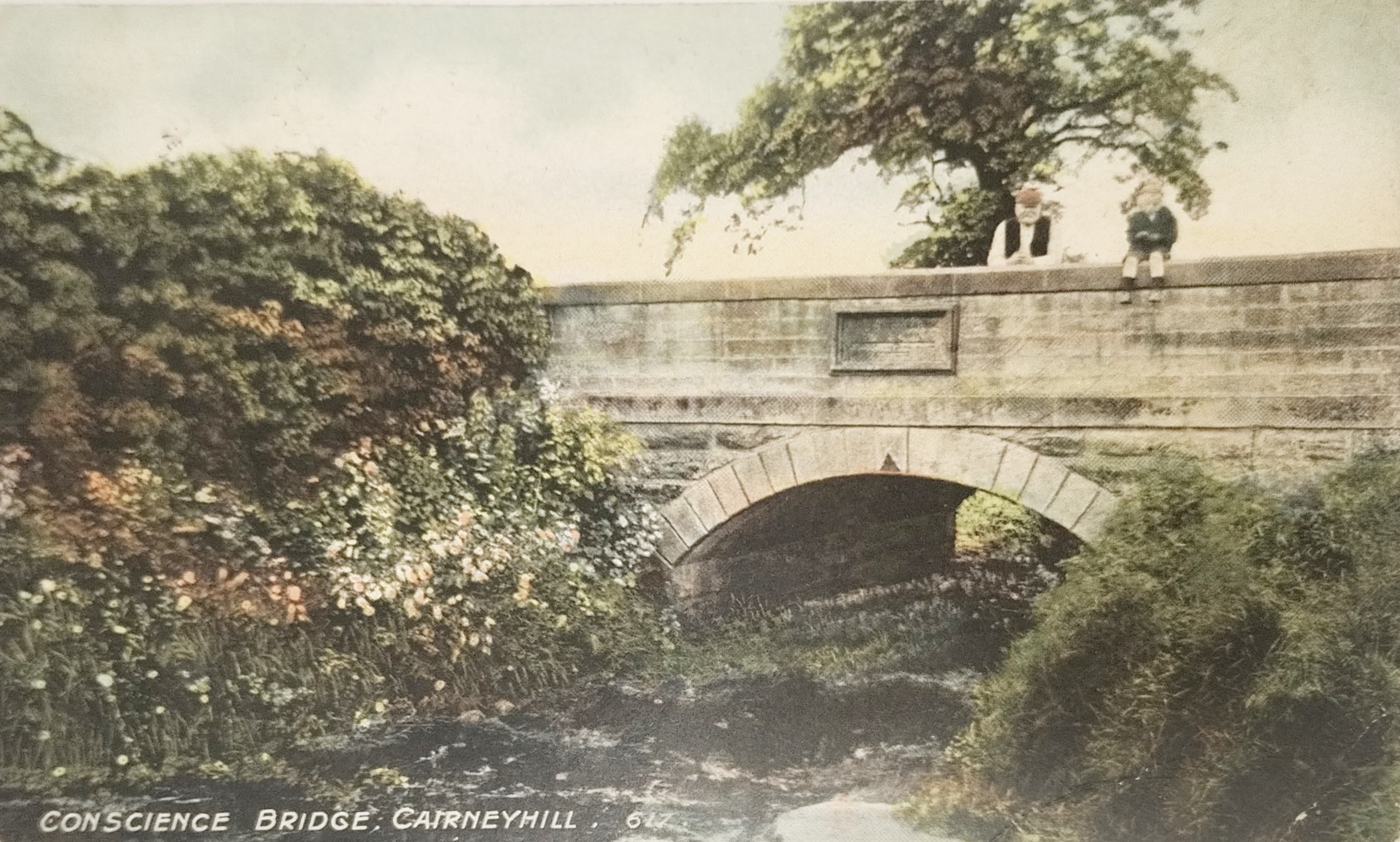
At the Cairneyhill meeting, after showing the differences which existed within the Liberal party on the question of Home Rule, and pointing to the sayings of the Nationalists when abroad, Mr Constable said there was a Government in place which was prepared, either by the method of sap and approach, or by direct assault, to undermine the fabric upon which the unity of the United Kingdom rested, by introducing or favouring a policy of Home Rule, which meant separation. It was the duty of the country to nip this cankered blossom in the bud before it fructified into national disaster.
At both meetings Mr Constable was questioned on a variety of subjects. He declared himself as a Conservative, as in favour of giving the English Licensing Act a chance, and opposed to oppressive restrictions in favour of the ‘trust’ public-house system being developed. He also dealt with the question of agricultural rating, and justified the action of the late Government on the grounds of justice.
A hearty reception was given to the candidate at both meetings, and at Cairneyhill he received a vote of confidence.
 Cairneyhill People and History